Evidence-graded peptide medicine resources covering BPC-157, CJC-1295, ipamorelin, TB-500, sermorelin, tesamorelin, safety, access, monitoring, and protocol design.
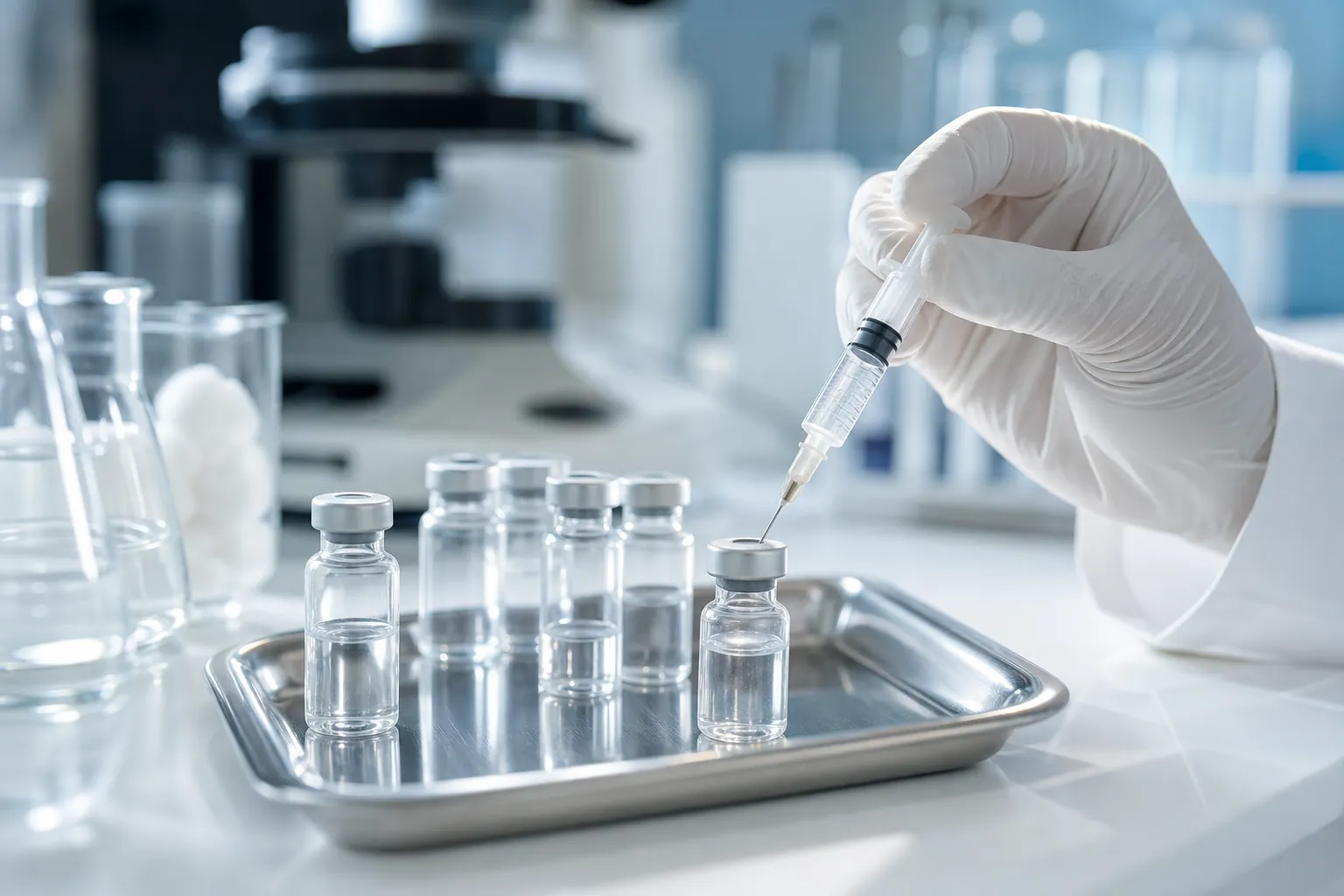
Clinical image for Peptide Medicine Image: AI-generated clinical image
3,522reviewed articles
268topic clusters
2026-07-17latest review
What is peptide therapy?
Peptide therapy is the medical use of peptides, short chains of amino acids that act as signals in the body. Some peptides are well-established medicines, while others are still being researched, and they are used to target specific goals rather than as a single treatment.
Peptides sit between small drug molecules and large proteins. Because they often mimic the body's own signaling molecules, they are studied across many areas of medicine, from metabolism to immune function.
How does peptide therapy work?
Each peptide works differently. Some, like GLP-1 medications, mimic gut hormones; others, like sermorelin, prompt a gland to release its own hormone; and some, like BPC-157, are studied as repair signals. The right peptide depends entirely on the goal.
What are peptides used for?
Peptides are studied across several areas of health. The evidence is strongest for FDA-approved medicines and weaker for research compounds, so the use case matters as much as the molecule.
Weight and metabolism: GLP-1 medicines (semaglutide, tirzepatide), tesamorelin, AOD-9604.
Healing and recovery: BPC-157, GHK-Cu.
Growth-hormone support: sermorelin, tesamorelin.
Skin and hair: GHK-Cu, glutathione.
Focus, mood, and sleep: semax, selank.
Sexual wellness: PT-141.
Longevity and energy: NAD+, epitalon.
Immune support: thymosin alpha-1.
Is peptide therapy safe and legal?
Safety and legal status vary widely by peptide. A few are FDA approved, many are not, and some have had their compounding restricted. Peptides are prescription only, and product quality and sterility matter, so a licensed provider and a reputable pharmacy are essential.
How do you get peptide therapy online?
Peptide therapy through an online clinic like HealthRX starts with an evaluation by a licensed provider, who reviews your history and goals and, if appropriate, writes a prescription. The peptide is then prepared by a licensed compounding pharmacy and shipped to you. Peptides should not be used without medical oversight.
Because peptides are prescription only, a legitimate telehealth clinic will always require a provider visit before dispensing. You can complete that visit online, and each molecule guide below links to the specific peptide, its evidence, and how to start.
How much does peptide therapy cost?
Peptide therapy is usually priced per vial or per monthly course rather than through insurance, since most peptides are compounded. The cost depends on the specific molecule, the dose, and the quantity your provider recommends.
At HealthRX, individual peptide vials are commonly in the low hundreds of dollars, with per-vial pricing that decreases at larger quantities. Compounded and blended protocols are priced separately. Each molecule guide shows the current starting price and lets you begin an online visit.
Peptide therapy is the medical use of peptides, short amino-acid chains that act as signals in the body, to target specific goals such as metabolism, recovery, or immune support.
Is peptide therapy FDA approved?
Some peptides are FDA approved, such as semaglutide and tesamorelin, while many others are not. Each peptide has its own regulatory status, so it should be judged individually.
Is peptide therapy safe?
Safety varies by peptide and by the evidence behind it. Peptides are prescription only and should be used under a licensed provider with a reputable pharmacy.
How do I get peptide therapy online?
You start with an evaluation by a licensed provider, who can write a prescription if appropriate; the peptide is then prepared by a licensed compounding pharmacy.
How much does peptide therapy cost?
Cost depends on the molecule, dose, and quantity. Most peptides are compounded and priced per vial or monthly course rather than through insurance, with individual vials commonly in the low hundreds of dollars and lower per-vial pricing at larger quantities.
Which peptides are best for weight loss?
The strongest evidence for weight loss is for GLP-1 medicines like semaglutide and tirzepatide. Some other peptides are marketed for fat loss with much weaker evidence.